



X.com
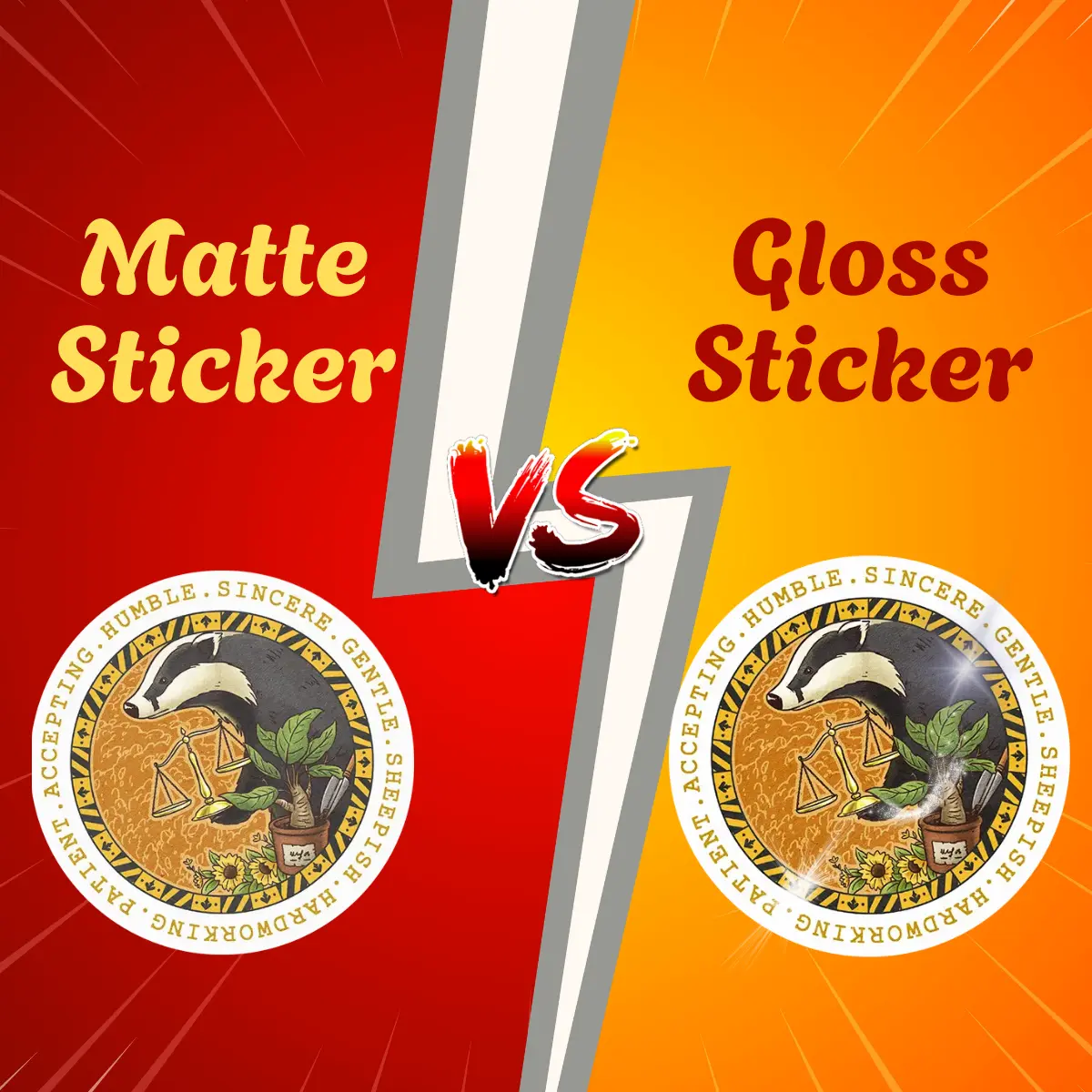
Stickers have become more than just fun accessories; they’re now a versatile way to express creativity, decorate spaces, personalize items, or even promote a brand. From laptops and water bottles to packaging and business logos, stickers are everywhere. But if you’ve ever investigated ordering custom stickers, you’ve probably noticed that there are multiple finishes available, the most popular being glossy and matte.
While they might look similar at first glance, these two finishes offer very different visual and tactile experiences. Choosing the right one can make a huge difference in the way your stickers look, feel, and perform.
In this article, we’ll break down the differences between glossy and matte stickers, explain their pros and cons, and give you guidance on when to use each type.
What Are Glossy Stickers?
Glossy stickers are designed to catch the eye. They feature a shiny, reflective surface that enhances colors and makes images pop. Typically, glossy stickers are coated with a thin layer of laminate or varnish, which not only adds shine but also provides some protection against minor wear and tear.
Characteristics of Glossy Stickers:
- Shiny Finish: Reflects light, making colors appear brighter and more vibrant.
- Smooth Surface: Offers a polished feel that many people find premium.
- Protective Layer: Offers some resistance to water, smudges, and scratches.
Pros of Glossy Stickers:
- Vibrant Colors: The glossy coating amplifies colors, making designs more eye-catching. This is particularly useful for stickers intended to grab attention, such as promotional or brand stickers.
- Professional Look: The smooth, reflective surface gives a sleek and polished feel.
- Durable: Glossy laminate adds a layer of protection that can extend the life of the sticker, especially in areas exposed to moisture.
Cons of Glossy Stickers:
- Glare: Because of the reflective surface, glossy stickers can produce glare under strong light, which may make text or intricate designs harder to read.
- Fingerprints and Smudges: The smooth coating can easily show fingerprints, especially on larger stickers or those that are handled often.
- Limited Subtlety: Glossy finishes are bold by nature, which may not suit designs that require a muted or professional appearance.
Best Use Cases for Glossy Stickers:
- Promotional stickers for businesses or events
- Decorative stickers for laptops, water bottles, and phone cases
- Stickers meant to attract attention in displays or packaging
- Bold, colorful designs that benefit from extra vibrancy
For example, if you’re designing a sticker for a social media giveaway or a product launch, glossy stickers can help your design stand out and make a lasting impression.
What Are Matte Stickers?
Matte stickers are the subtle counterpart to glossy ones. Instead of reflecting light, matte stickers have a flat, non-reflective finish, which gives a soft, sophisticated look. The coating on matte stickers eliminates glare and is often smooth to the touch without being slippery.
Characteristics of Matte Stickers:
- Non-Reflective Surface: Makes designs and text easier to read.
- Soft Texture: Provides a tactile experience that feels premium and understated.
- Subtle Appearance: Colors are muted but clean, offering an elegant and professional look.
Pros of Matte Stickers:
- No Glare: Matte finishes eliminate reflection, making them ideal for text-heavy designs or detailed illustrations.
- Elegant and Professional: Matte stickers convey subtlety and sophistication, which is perfect for product labeling or minimalist designs.
- Durable: They resist fingerprints, smudges, and scratches better than glossy stickers, which helps maintain a clean look over time.
Cons of Matte Stickers:
- Muted Colors: Matte finishes absorb light rather than reflect it, so colors can appear less vibrant than glossy alternatives.
- Water Resistance Can Vary: Depending on the material, matte stickers may be less resistant to moisture. Laminated matte stickers are more durable.
- Less Attention-Grabbing: If you’re looking for high-impact, flashy designs, matte may not have the visual pop you need.
Best Use Cases for Matte Stickers:
- Wedding invitations and event décor
- Minimalist designs or professional branding materials
- Product labels for cosmetics, artisanal goods, or boutique items
- Stickers for planners, journals, or organizational purposes
For example, a matte sticker used on a high-end skincare product can convey elegance and sophistication while ensuring that the text and logo are easy to read.
Key Differences Between Glossy and Matte Stickers
|
Feature |
Glossy Stickers | Matte Stickers |
|
Finish |
Shiny, reflective | Flat, non-reflective |
|
Color Appearance |
Bright, vibrant | Muted, subtle |
|
Texture |
Smooth, slick |
Soft, understated |
| Readability | Can reflect light (hard to read) |
Easy to read, glare-free |
| Durability | Resistant to minor moisture |
Resistant to smudges and scratches |
| Best For | Eye-catching, bold designs |
Professional, minimalist designs |
How to Choose Between Glossy and Matte Stickers?
When deciding which type of sticker to use, consider the following factors:
1. Consider the Purpose of the Sticker
- If the goal is marketing or brand promotion, glossy stickers are ideal due to their attention-grabbing nature.
- For professional or elegant projects, such as product packaging or invitations, matte stickers are a better choice.
2. Think About Your Design Style
- Bold, colorful graphics with vibrant illustrations shine with glossy finishes.
- Minimalistic, text-heavy, or subtle designs look clean and refined in matte.
3. Placement and Surface
- Glossy stickers work well on smooth surfaces, such as glass, metal, and plastic.
- Matte stickers adhere nicely to textured surfaces, including paper, cardboard, and matte plastics.
4. Durability Needs
- For outdoor use or areas prone to spills, a glossy sticker with a protective laminate may last longer.
- For indoor use where fingerprint resistance is important, matte stickers are a safer choice.
5. Personal Preference
Ultimately, aesthetics matter. Some people prefer the bold, modern look of glossy, while others enjoy the understated elegance of matte stickers. Mixing finishes can also create a striking effect. For example, using a matte background with glossy highlights to emphasize certain design elements.
Tips for Designing Stickers Based on Finish
1. Use High-Contrast Colors for Matte Stickers
Because matte stickers have muted colors, it’s essential to use contrasting shades to make your design readable. Dark text on a light background or vice versa works best.
2. Highlight Vibrancy in Glossy Stickers
Glossy finishes naturally enhance colors, so designs with gradients, bright illustrations, or photographic elements benefit from this finish.
3. Consider the Sticker Size
Small stickers with fine details may work better in matte to ensure readability, while large, bold designs can embrace glossy to stand out.
4. Test Prints Before Large Orders
Before committing to a large order, request sample prints of both finishes. Seeing and feeling the stickers in real life helps make a confident choice.
Conclusion: Glossy or Matte Stickers – Which One is Right for You?
Both glossy and matte stickers offer unique advantages, and understanding their differences is key to choosing the right one for your project. Glossy stickers are perfect for vibrant, attention-grabbing designs, while matte stickers excel in elegance, readability, and professional appeal.
Whether you’re designing for personal use, business branding, or special events, picking the right sticker finishes your designs make the intended impact. By considering factors like design style, placement, durability, and audience, you can confidently select the perfect finish that brings your vision to life.
In the world of stickers, finish matters just as much as the design itself. Choose wisely, and your stickers won’t just stick, they’ll leave a lasting impression.


Using Tarot Card Stickers for Manifestation and Vision Boards
Manifestation culture is having a full...

Trending Tarot Card Stickers for 2026: Your Ultimate Guide to Mystical Aesthetic Vibes
The tarot card aesthetic isn’t...
How to Apply Vinyl Stickers Perfectly (No Bubbles, No Peeling Guide)
Ever applied a vinyl sticker and ended...


